




Technological innovation and the global shift towards automation, digitalization, and sustainability are transforming the hydraulic industry. As we move into 2025, several emerging trends will reshape how hydraulic systems are designed, operated, and maintained.
One of the most significant developments is the integration of intelligent sensors and IoT (Internet of Things) technologies into hydraulic systems. These allow real-time monitoring of system parameters such as pressure, flow, and temperature, enabling predictive maintenance and reducing unplanned downtime. Companies can avoid costly repairs and production delays by catching potential issues early.
Another key trend is energy efficiency. As environmental regulations become stricter and energy costs rise, manufacturers invest in valves and actuators that reduce energy consumption. Variable displacement pumps, low-leakage valves, and eco-friendly hydraulic fluids are gaining popularity across industries.
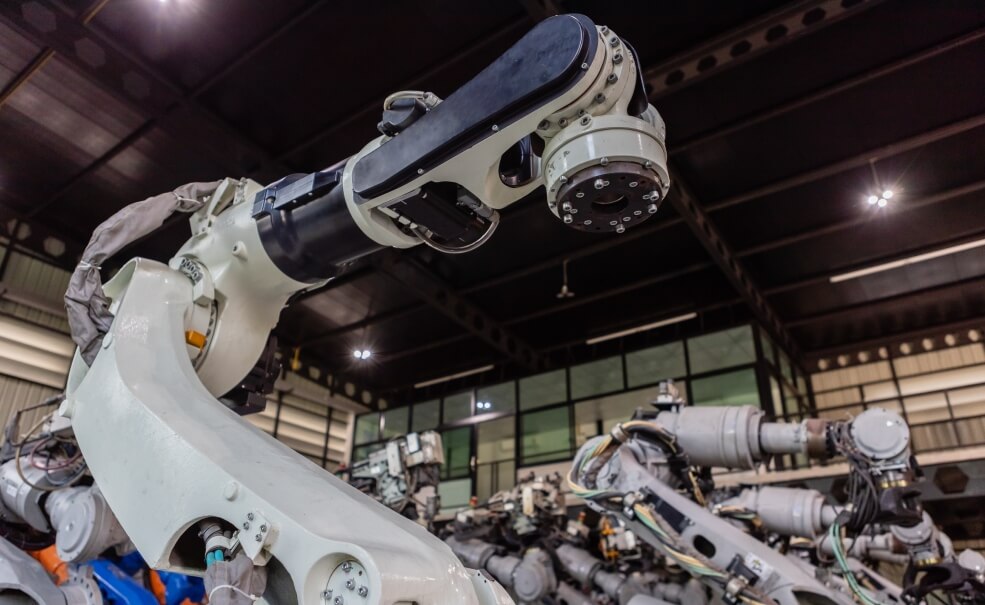
The concept of Industry 4.0 also influences the hydraulic sector. In a bright factory setting, machines and hydraulic components communicate and adjust their performance autonomously, leading to higher productivity, better resource management, and improved safety.
At Maxwork, we are actively preparing for these shifts. Our engineers are working on integrating digital technologies into our valve systems and enhancing product design through CAD modeling, finite element analysis (FEA), and prototyping tools. The future of hydraulics lies in combining traditional strength with modern intelligence.
Additionally, modular design is becoming more common. Hydraulic systems with modular valves allow easier system expansion and customization, particularly valuable in rapidly changing industries such as construction or logistics.
In conclusion, companies adapting to these trends early will be better positioned to compete in domestic and international markets. As your reliable hydraulic partner, Maxwork is committed to providing forward-thinking solutions that meet the evolving needs of modern industry.
